Lumbie Mlambo, CEO of JB Dondolo, Inc. (jbdondolo.org), a nonprofit organization committed to improving access to clean water, sanitation, and hygiene (WASH) in underserved African communities, says the group remains steadfast in its mission to tackle water poverty.
In a recent interview, the leader outlined how strategic partnerships and community-focused programs are helping the organization bring lasting solutions to areas where clean water remains a luxury.
1. What specific initiatives has JB Dondolo implemented to support its goal of ensuring clean water access to underserved communities?
JB Dondolo has implemented several impactful initiatives to advance its mission of ensuring clean water access for underserved communities:
a. Igusi Water Project – Zimbabwe
This flagship project restored a broken water system at a rural hospital in Matabeleland North, providing clean water access to thousands. It dramatically improved health outcomes, especially for women and children, and supported local schools and villages.
b. Water for Matobo Hills Women
This initiative focuses on providing clean, accessible water to women in the rural Matobo Hills region of Zimbabwe. It empowers women by reducing the time spent fetching water, improving health and sanitation, and enabling more opportunities for education and economic participation.
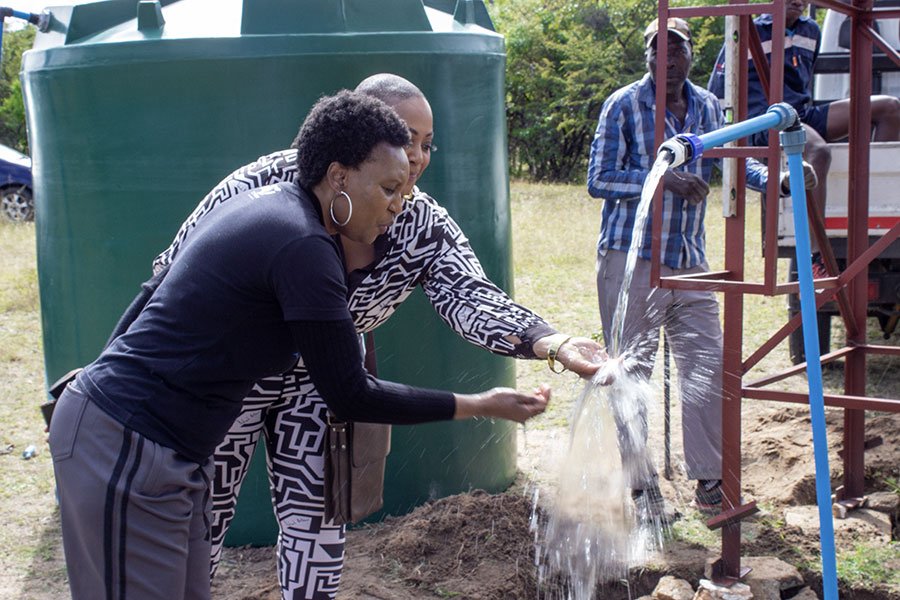
c. Music for Water Campaign
A global awareness and fundraising campaign that uses the power of music to inspire action and support WASH (Water, Sanitation, and Hygiene) projects. The campaign bridges art and advocacy to promote water justice worldwide.
d. Women-Led WASH Education
JB Dondolo conducts workshops and training programs that equip women with the knowledge to lead sanitation and hygiene efforts in their communities, fostering ownership and long-term sustainability.
e. Tech-Driven Impact: PlanetPulse AI
This upcoming platform transforms field reports and voice notes into real-time, geo-tagged data visualizations, tracking the human impact of water projects and amplifying grassroots voices to influence funding and policy.
Together, these initiatives demonstrate JB Dondolo’s holistic, community-led, and innovative approach to solving the global water crisis.
2. Can you share a particularly impactful story or success from JB Dondolo’s work that illustrates the organization’s mission and values in action?
Absolutely! One of the most impactful stories that captures JB Dondolo’s mission and values in action is the Igusi Water Project in rural Zimbabwe.
The Igusi Story: Restoring Dignity Through Water
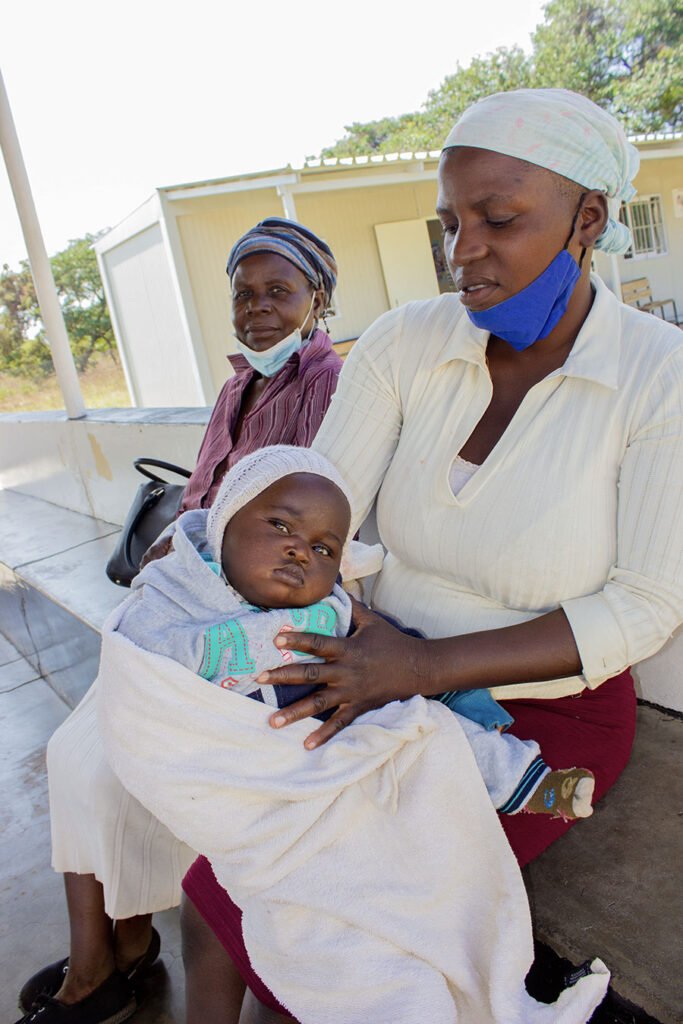
When JB Dondolo arrived in Igusi, a rural area in Matabeleland North, Zimbabwe, the local clinic—serving over 20,000 people—had been without running water for more than 20 years. Patients, including pregnant women and children, all relied on unsafe sources nearby. Sanitation was nearly nonexistent, which led to outbreaks of waterborne illnesses and poor maternal care.
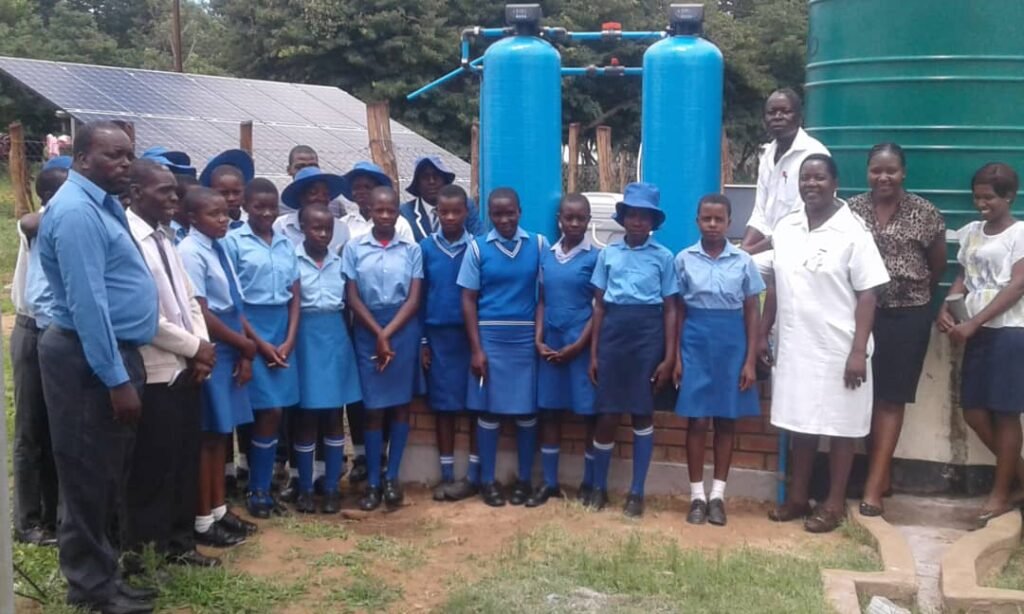
Moved by the urgency and injustice of the situation, Lumbie Mlambo, founder of JB Dondolo, led a grassroots campaign to raise funds, engage local leaders, and build sustainable partnerships. The project involved rehabilitating the clinic’s entire water system, installing a borehole, and constructing a sustainable water filtration, storage, and distribution setup.
The Impact:
- Clean water was restored, directly benefiting thousands.
- Maternal and child health dramatically improved.
- Local women, who previously walked miles daily to fetch water, were empowered with time and dignity.
- The project created local jobs during implementation and involved community training for long-term maintenance.
This story exemplifies JB Dondolo’s values: dignity, equity, sustainability, and grassroots empowerment. It shows how the organization moves beyond charity—into real systems change—through culturally rooted, community-first solutions.
The Igusi Water Project is now used as a model for future JB Dondolo interventions in other underserved areas.
3. How does JB Dondolo measure the effectiveness of its programs, and what metrics or outcomes do you use to assess the organization’s progress toward its goals?
JB Dondolo measures the effectiveness of its programs through a blend of data-driven metrics, community feedback, and technology-enhanced insights—ensuring results are both quantifiable and meaningful to the people served.
Key Metrics and Outcomes Include:
a. Access to Clean Water
- Number of individuals gaining sustainable access to clean water.
- Liters of water provided or preserved daily.
- Functionality and long-term maintenance success rate of water systems.
b. Health & Hygiene Impact
- Decrease in waterborne diseases, tracked through local health records.
- Increase in use of sanitation and hygiene facilities (WASH).
- Enhanced maternal and child health outcomes.
c. Climate-h₂O Integration
- Climate-h₂O is JB Dondolo’s innovative solution that connects climate resilience with water infrastructure, addressing both environmental sustainability and social equity.
- Measured by:
- Reduction in climate vulnerability through water access.
Increased drought resistance via sustainable infrastructure
- Tracking carbon reduction in water delivery and use.
- Reduction in climate vulnerability through water access.
d. Empowerment of Women & Girls
- Time saved in water collection.
- Improved school attendance for girls.
- Participation in leadership and maintenance roles.
e. Technology & Innovation: PlanetPulse AI
- The upcoming PlanetPulse AI platform tracks grassroots impact using:
- Voice-to-data transformation via AI.
Geo-tagged climate stories and emotion tracking.
- Dashboards showing real-time environmental and human impact.
- Voice-to-data transformation via AI.
By combining traditional WASH metrics with climate resilience (Climate-h₂O) and tech-powered storytelling (PlanetPulse AI), JB Dondolo ensures every intervention is accountable, adaptive, and aligned with long-term sustainability goals.
4. What role do you see partnerships and collaborations playing in JB Dondolo’s work, both locally and globally?
Partnerships and collaborations are central to JB Dondolo’s mission and impact—serving as a catalyst for scaling solutions, amplifying voices, and ensuring that our work is sustainable, inclusive, and globally relevant.
Locally, partnerships:
- Strengthen implementation by connecting with grassroots organizations, health departments, schools, and community leaders.
- Ensure cultural relevance and trust, allowing us to co-create solutions with the very communities we serve.
- Facilitate access to local expertise, volunteers, and materials, making projects more efficient and community-owned.
Globally, collaborations:
- Link our work with broader movements around climate justice, water equity, and sustainable development.
- Enable knowledge sharing, capacity building, and technical support from organizations like the UN, WHO, and other development partners.
- Expand reach and elevate grassroots voices to global platforms through initiatives like 100 Voices for Our Planet, which fosters international dialogue and advocacy.
- Open the door to co-investment, research, and technology exchange with institutions, philanthropies, and innovators committed to solving environmental challenges.
From co-developing solutions like Climate-h₂O and PlanetPulse AI with tech and climate partners, to engaging youth, women, and indigenous communities in decision-making, partnerships are how JB Dondolo turns vision into actionable, measurable, and lasting impact.
In short, we see collaboration not just as helpful—but essential to driving meaningful, systems-level change for underserved communities around the world.
5. What are some of the major obstacles or barriers that JB Dondolo has faced in its work, and how has the organization successfully overcome them?
JB Dondolo has faced several significant obstacles in its mission to deliver clean water and equitable solutions to underserved communities—but through resilience, innovation, and community collaboration, we’ve turned these challenges into catalysts for growth and transformation.
a. Limited Funding and Resource Constraints
One of the biggest barriers has been securing consistent funding for infrastructure and long-term program sustainability.
How we overcame it:
- We diversified revenue streams through creative campaigns like Music for Water, merging advocacy and entertainment to reach broader audiences.
- We strengthened grant-writing efforts and built relationships with impact investors and global partners.
- We embraced in-kind contributions and cross-sector collaborations to reduce costs.
b. Inaccessible Terrain and Infrastructure Gaps
Remote communities, like those in Matobo Hills, often lack roads or access points, making installation of water systems extremely difficult.
How we overcame it:
- We engaged local experts and leaders to guide logistics and foster ownership.
- We adopted adaptable technologies, such as solar-powered water systems, that fit the environment and minimize maintenance.
c. Lack of Real-Time Impact Tracking
Early on, measuring program effectiveness was a challenge.
How we’re going to overcome it:
- We’re working on PlanetPulse AI technology to digitize storytelling, monitor outcomes, and inform policy with real-time, grassroots data.
Each obstacle has only strengthened JB Dondolo’s commitment to solution-driven humanitarian work—with agility, empathy, and community at the core.
6. Looking ahead to the next 5–10 years, what is your vision and goals for JB Dondolo’s growth and impact in the communities you serve?
Looking ahead to the next 5–10 years, JB Dondolo envisions scaling its impact globally by becoming a leading model for community-driven environmental and women’s health solutions—starting with clean water access and expanding into integrated systems that promote sustainability, resilience, and dignity for all.
Vision:
To transform underserved communities into self-sustaining ecosystems where clean water, climate resilience, improved health, and gender empowerment intersect—creating generational change.
Strategic Goals:
a. Expand Access to Clean Water
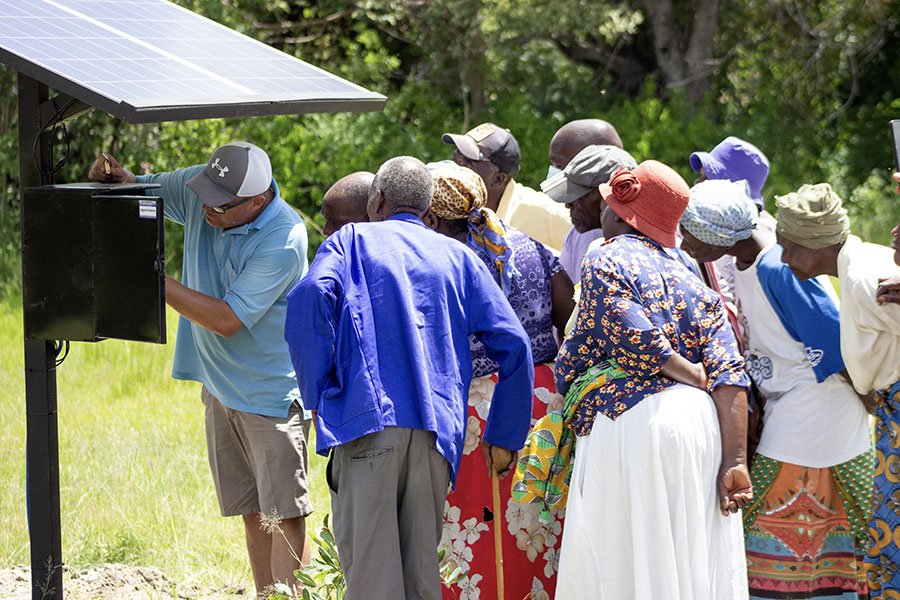
- Scale water and sanitation projects like Water for Matobo Hills Women across more rural regions in Southern Africa and underserved U.S. communities.
- Introduce smart, modular, solar-powered water systems with monitoring.
b. Leverage Technology for Climate Action
- Fully implement PlanetPulse AI and Climate-h₂O to track, visualize, and scale community-led climate solutions.
- Use AI and data visualization to connect stories to funding and policy action, making grassroots efforts more visible and fundable.
c. Establish a Global Impact Network
- Grow 100 Voices for Our Planet into a global movement of youth, women, and indigenous leaders from 100+ countries, co-creating localized climate action plans.
- Partner with academic institutions, UN bodies, and local governments to host annual Climate Voices Summits.
d. Build Capacity and Create Jobs
- Develop training centers for women and youth focused on WASH, permaculture, tech, and leadership.
- Use clean water access as a foundation for entrepreneurship in agriculture, sanitation, and sustainable energy.
e. Sustain Impact Through Policy and Funding for Impact
- Advocate for policy change informed by real-time grassroots data.
- Create blended financing models and a resilience impact fund for long-term sustainability.
In 10 years, JB Dondolo aims to be a global force for dignified impact, turning community needs into global solutions—powered by innovation, driven by people.